
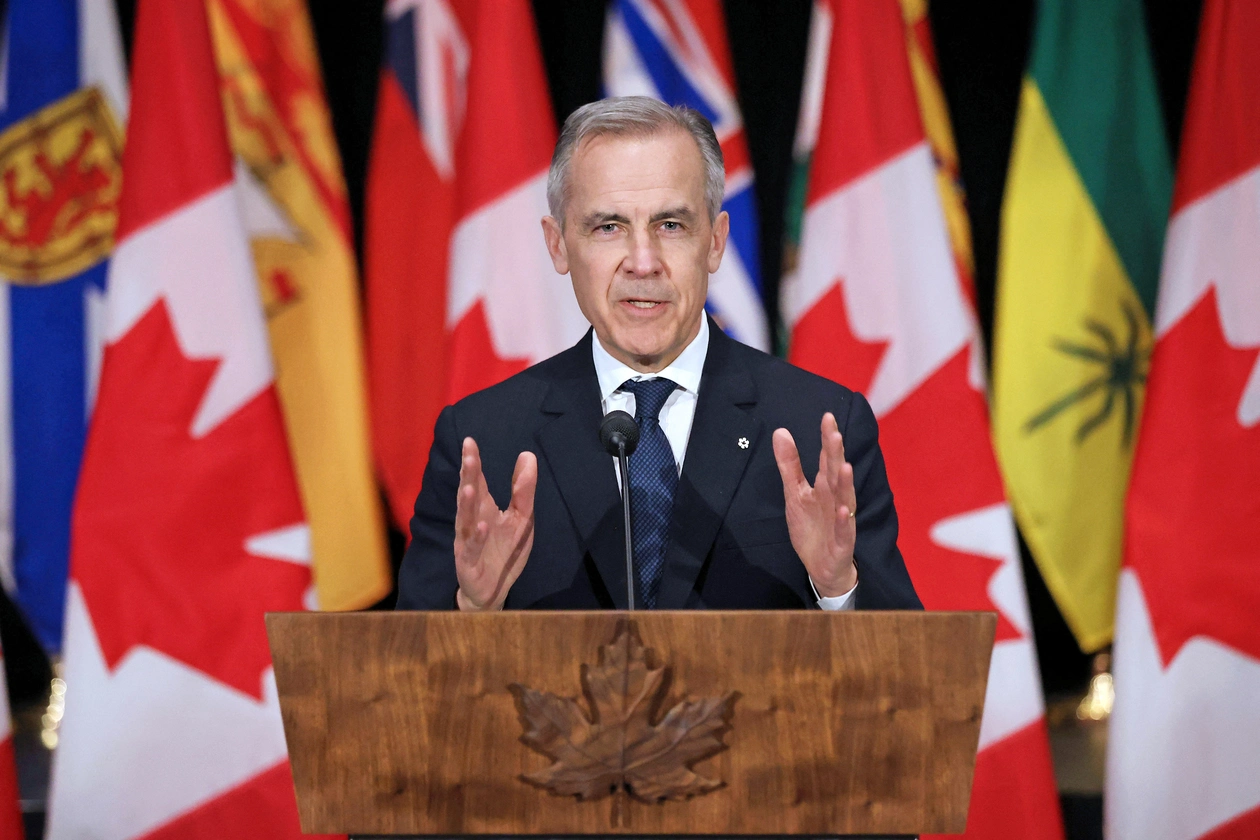

PM Mark Carney navigates NATO summit diplomacy in Ankara while the high-stakes CUSMA trade review with the U.S. hangs over Canada’s economy.
Carney NATO summit CUSMA review
Prime Minister Mark Carney landed in Ankara this week for a NATO summit that’s arguably more delicate than any he’s attended so far. Between managing allies nervous about reduced U.S. military commitment and steering Canada through a make-or-break trade review with Washington, Carney has a lot riding on every handshake. For Canadians watching their grocery bills and job numbers, this isn’t just foreign policy theatre it’s directly tied to the economy back home. Here’s what’s actually happening, and why it matters more than the usual summit photo-ops.
What Happened
Carney arrived in Ankara, Türkiye, meeting with Turkish President Recep Tayyip Erdoğan, Ukrainian President Volodymyr Zelenskyy, the Prime Minister of the Netherlands Rob Jetten, and German Chancellor Friedrich Merz over a packed schedule of bilateral talks. The visit comes as European leaders, including Carney, arrive at the summit walking a political tightrope — careful not to provoke U.S. President Donald Trump abroad while avoiding the appearance of yielding to him at home.
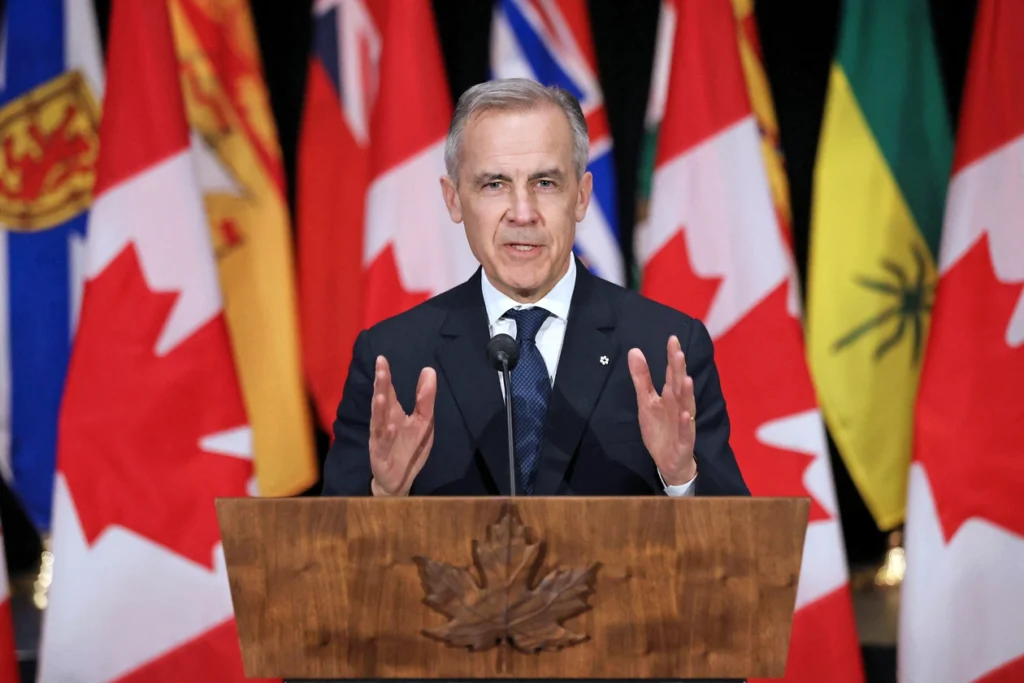
Meanwhile, back on the trade file, officials from Canada, the U.S., and Mexico kicked off a landmark trilateral review of the CUSMA trade agreement on July 1. That review effectively offers two paths forward: a 16-year extension keeping the deal alive until 2042, or a fresh, open-ended renegotiation with no clear finish line.
Why It Matters
For everyday Canadians, this isn’t abstract. Auto workers, farmers, and exporters all depend on the terms this review will eventually settle. And on defence, as Washington signals a reduced military commitment to Europe, allies fear the greatest threat to NATO may come from inside the alliance a dynamic that puts pressure on Canada to boost its own military spending commitments.
Trade uncertainty is already weighing on the Canadian economy. It’s one of the reasons the Bank of Canada has kept interest rates on hold, and it’s shaping business investment decisions from coast to coast.
Creating visual rhythms in your layouts
Carney’s Ankara itinerary included meetings with the presidents of Türkiye and Ukraine, plus the leaders of the Netherlands and Germany.
The CUSMA review formally began July 1, 2026, with only two structural outcomes available: a long extension or a full renegotiation.
CUSMA doesn’t expire until 2036 regardless of how the review goes, giving negotiators room to work without an immediate cliff edge.
Canada’s former chief trade negotiator, Steve Verheul, believes talks are more likely to run “beyond the midterms and possibly even into next year” than wrap up quickly.
Expert Analysis or Context
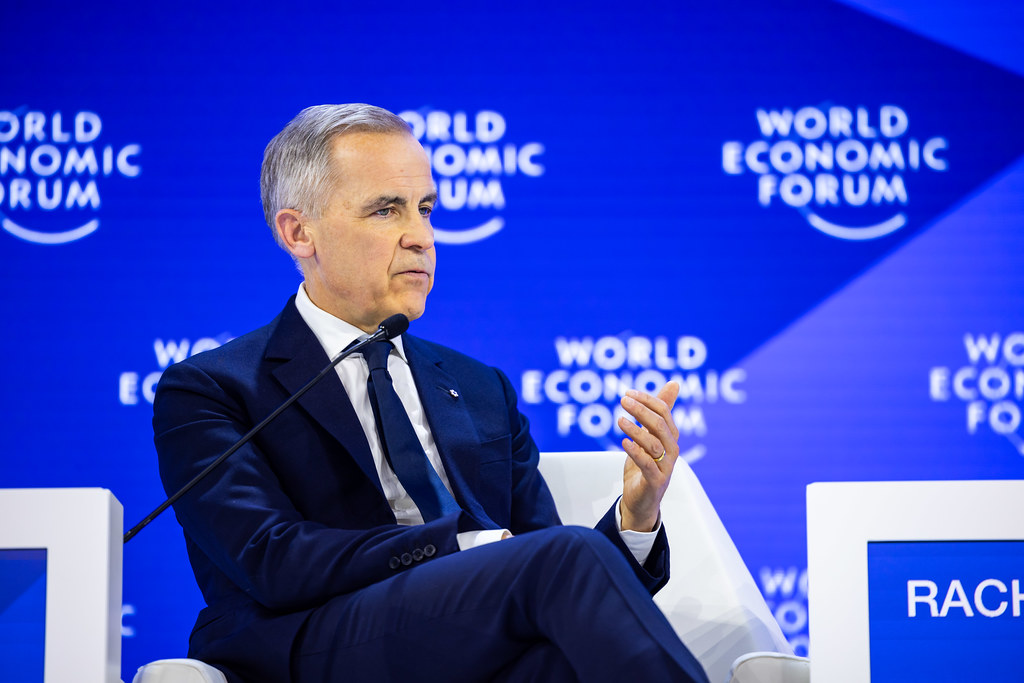
Trade watchers are split on Washington’s incentives. One camp argues it would be politically advantageous for the Trump administration to land a deal by Labour Day, letting Republicans campaign on a new-and-improved agreement. The other camp thinks the U.S. would rather drag things out, hoping Canada and Mexico eventually accept terms tilted further in America’s favour.
Either way, the U.S. has signalled it won’t budge on removing existing tariffs from the table, even as business groups on both sides of the border warn that prolonged uncertainty hurts consumers and investment.
What’s Next?
Watch for follow-up trilateral meetings through the summer, alongside continued diplomatic manoeuvring at NATO. Canada’s next moves on defence spending commitments will likely surface in the weeks following the summit, and further CUSMA negotiating sessions are expected before autumn.
Frequently Asked Questions
Is CUSMA the same as USMCA?
Yes — Canada calls it CUSMA, while the U.S. refers to it as USMCA. Same agreement, different name.
When does CUSMA actually expire?
Not until 2036, though the current review could reshape its terms well before then.
Why does the NATO summit matter for Canada’s economy?
Defence spending commitments and trade relationships are increasingly intertwined, especially with the U.S. as Canada’s largest trading partner and closest military ally.
Could Canada walk away from CUSMA talks?
It’s unlikely — both Canada and Mexico have said publicly they want the deal extended, though they’re open to amendments.
Conclusion
Carney’s NATO trip and the CUSMA review are two threads of the same story: Canada trying to protect its economic and security interests while a less predictable Washington reshapes the rules. Canadians should expect this story to develop slowly, through incremental meetings rather than one dramatic announcement — but the outcome will shape jobs, prices, and Canada’s global standing for years